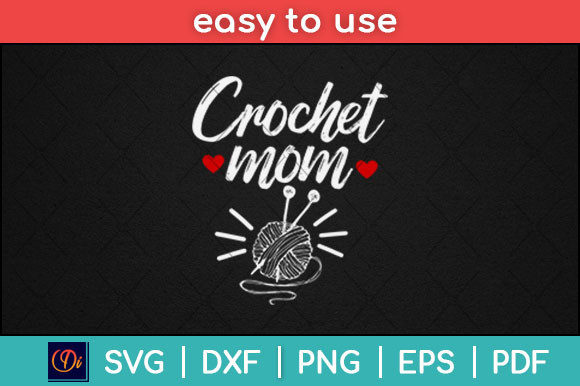
Crochet Mom: A Designer’s Review for Real Embroidery Projects
As a designer who spends half my day digitizing and the other half stitching, I don’t just look at a file; I look at how it will behave under the needle. When I first pulled up Crochet Mom, I wasn’t just seeing a cute graphic. I was visualizing thread tension, fabric distortion, and the final texture of the finished piece. This isn’t just another generic clipart download. It is a Print Templates asset that has found its way into the world of Graphics for cutting and embroidery, but to use it effectively in a real-world embroidery project, you need to understand its strengths and its limitations.
First Impressions: Mood and Visual Personality
The immediate feeling Crochet Mom evokes is warmth, nostalgia, and cozy domesticity. The design centers on a theme that resonates deeply with a specific demographic: mothers who find peace in their crafts. Visually, the layout feels balanced. It doesn’t scream for attention with chaotic elements; instead, it offers a calm, approachable aesthetic that works beautifully for personalized gift items.
From a design perspective, the shape language is soft. If this is being converted into an applique design or stitched as a central motif, the curves suggest a gentle flow rather than rigid geometry. This makes it ideal for projects where you want the recipient to feel hugged by the garment. Whether it ends up on a tote bag design or a nursery wall hanging, the visual personality says "comfort." For an Etsy seller looking to build a brand around handmade comfort, this image provides a strong emotional hook before the customer even reads the product description.
Real-World Application: Where Does It Shine?
I recently considered using this design for a custom order—a sweatshirt for a new mom who loves to knit and crochet. Here is how Crochet Mom performed in that mental simulation of production:
- Custom Apparel and Sweatshirts: The design scale seems well-suited for chest-area embroidery on hoodies or crewnecks. It sits comfortably without overwhelming the wearer. For sweatshirt embroidery, the contrast between the thread and the heavy cotton blend would likely be striking if you choose high-quality polyester threads.
- Baby Embroidery: This is perhaps its strongest suit. On baby bodysuits or muslin blankets, the soft theme aligns perfectly with the delicate nature of the fabric. It creates a sentimental keepsake value that parents are willing to pay a premium for.
- Tote Bags and Aprons: For the craft business owner, placing this on canvas totes or kitchen aprons makes sense. It appeals to the target audience directly—other makers. It acts as a badge of identity. However, on textured fabrics like burlap or heavy denim, you must be careful with stitch definition.
- Holiday Embroidery: While not explicitly holiday-themed, the cozy vibe fits perfectly with autumn and winter gifts. It works wonderfully as a holiday gift for grandmothers or aunts who are crafters.
Technical Considerations and Stitch Behavior
This is where the rubber meets the road. As a reviewer, I have to be honest about the technical challenges. The source files mention compatibility with Cricut and Silhouette machines, which implies these are primarily cut files (SVG, PNG, DXF). If you are using this as a machine embroidery design, you are likely tracing or converting it. This conversion process is critical.
If you are stitching this out, you need to think about stitch density. A design featuring text and illustrative elements can easily become muddy if the density is too high. You want the individual threads to show, not clump together. I recommend using a mix of running stitch for outlines and fill stitch for larger solid areas to give it texture. If the design includes small details, ensure your digitizer has kept those elements large enough to be recognized by the machine.
Thread color selection is paramount. Because the original is a graphic, you have freedom here, but contrast is king. On light fabrics, dark threads pop. On dark fabrics, you might need a stabilizer layer or a lighter thread palette to ensure readability. Always test your thread colors on scrap fabric that matches your final product exactly. Fabric texture can hide details, so what looks crisp on screen might disappear on a waffle-knit sweater.
Where to Use It Carefully
Not every surface is a good friend to Crochet Mom. There are specific scenarios where this design might struggle:
- Small Hoop Sizes: If the design is complex, trying to force it into a tiny hoop can lead to pucker marks. Ensure your hoop size accommodates the full design area with some breathing room.
- Stretchy Fabrics: Knits and jerseys require careful stabilization. Without proper support, the weight of the embroidery can cause the fabric to distort over time, especially on custom apparel that will be washed frequently.
- Curved Surfaces: Putting this on a cap or a rounded mug sleeve requires advanced techniques. Flat designs often look warped on curved surfaces unless digitized specifically for 3D structures.
- Dense Stitch Areas: Avoid placing dense fills over seams or zippers. It adds unnecessary bulk and can damage your machine needle.
Practical Designer Notes for Success
Before you rush to produce hundreds of units for your small shop product line, follow these steps to protect your reputation and your equipment:
- Test on Scrap First: Never stitch your first run on your final product. Use scraps to check tension and thread balance.
- Check Stabilizer Usage: Depending on your fabric, you may need cut-away or tear-away stabilizer. Using the wrong type can ruin the drape of the garment.
- Inspect Small Details: Zoom in on the digital file. Are there any tiny letters or intricate lines that might break during stitching? Simplify if necessary.
- Black and White Mockups: View your design in grayscale to check contrast levels. Sometimes colors look good individually but wash out when combined.
- Confirm Licensing: Since this is a digital embroidery file or graphic asset, verify the commercial license. Can you sell the finished physical items? Can you sell the digital file itself? This distinction is crucial for commercial embroidery businesses.
Final Verdict on Value and Appeal
Crochet Mom is more than just a cute image; it is a strategic choice for designers targeting the handmade community. It builds customer trust by showing an understanding of their hobbies and lifestyles. When done right, the finished product feels professional, thoughtful, and high-quality.
For the creative entrepreneur, this design offers versatility. It bridges the gap between a simple novelty item and a meaningful keepsake. By paying attention to stitch quality, fabric choice, and proper preparation, you can turn this simple graphic into a standout piece in your portfolio. It respects the craft, and in return, it rewards the maker with a design that sells itself through relatability and charm.
In summary, if you are looking to add a touch of cozy professionalism to your handmade product offerings, Crochet Mom is a worthy candidate. Just remember: the magic isn't just in the file; it's in the execution.