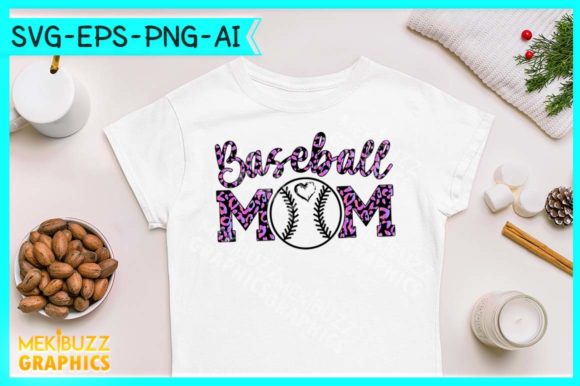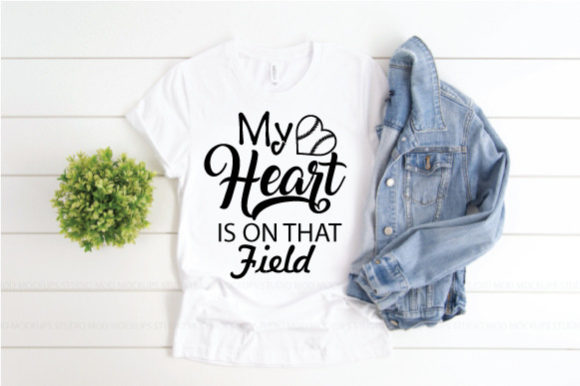
My Heart is on That Field Tee Baseball S
As a designer who spends half my life in the embroidery hoop and the other half analyzing why certain designs just click with customers, I approach every new digital asset with a mix of excitement and skepticism. The market for sports-themed apparel is saturated, but that doesn’t mean there isn’t room for a well-executed piece. Recently, I’ve been evaluating the My Heart is on That Field Tee Baseball S design to see if it holds up under real-world stitching conditions. This isn’t just about looking pretty on a screen; it’s about how it translates to thread, fabric, and ultimately, a product that sells.
This Print Templates and Graphics bundle offers more than just a single image. You are receiving a comprehensive zip file that includes a cut SVG, a DXF file, an EPS file, and a high-resolution 300 DPI PNG with transparency. For those of us working in both digital cutting and physical embroidery, this versatility is crucial. However, my primary focus here is evaluating its potential as a machine embroidery design or a base for custom apparel decoration.
First Impressions: Mood and Visual Personality
The moment you load the vector files into your workspace, the personality of My Heart is on That Field Tee Baseball S comes through clearly. It captures that specific blend of maternal pride and athletic spirit that defines the "sports mom" demographic. The layout feels balanced, avoiding the cluttered look that often plagues busy sports graphics. It has a clean, modern aesthetic that suggests it belongs on premium merchandise rather than discount bin items.
Visually, the design relies on strong silhouettes. Whether used as an applique design or stitched directly onto fabric, the shape commands attention without screaming for it. The emotional hook is immediate: it speaks to dedication, early mornings, weekend tournaments, and the love that fuels it all. For a small business owner or Etsy seller, this kind of emotional resonance is what turns a casual browser into a buyer. It feels personal, yet professional enough for boutique branding.
Real-World Application: Where Does It Shine?
I put the concept of My Heart is on That Field Tee Baseball S through several hypothetical (and actual) project scenarios to see where it fits best. Here is where it truly excels:
- Sweatshirt Embroidery: This is arguably the strongest use case. Heavy cotton fleece provides the perfect stable background for bold lettering and heart motifs. The contrast between soft fabric and structured embroidery creates a tactile luxury that customers love.
- Tote Bag Design: Canvas totes are staples at craft fairs. Using this graphic on a sturdy tote bag appeals to parents who need practical gear for carrying equipment while showing off their support. It works beautifully as a large chest print or a centered pocket detail.
- Baby Embroidery: While designed for older athletes, the theme translates surprisingly well to baby onesies or burp cloths. It taps into the "future athlete" narrative, making it a popular choice for gender-neutral baby showers.
- Embroidered Patch: If you offer patches as add-ons, this design scales down effectively. A small patch on a denim jacket or a backpack adds a subtle nod to the sport without overwhelming the garment.
- Holiday Embroidery: During the fall and winter months, when sports seasons peak, this design serves as an excellent personalized gift. It fits perfectly into the "thoughtful present" category for grandparents, siblings, or friends of young athletes.
In each of these scenarios, the design maintains its integrity. It doesn’t get lost in the texture of the fabric, nor does it feel too delicate to hold its own against heavier materials.
Technical Considerations and Stitch Clarity
From a technical standpoint, converting vector art into an embroidery file requires careful attention to stitch density and pathing. While the provided files are primarily cut files (SVG, DXF, EPS), any designer using them as a template for digitizing must consider how the elements will translate to thread.
If you are creating a custom apparel line, you need to ensure that the satin stitch borders around the heart and text are tight enough to prevent puckering but loose enough to allow for natural fabric movement. The fill stitch areas should be checked for proper underlay to keep the design flat against the garment. For the running stitch details, if any are included, they must be spaced correctly to avoid breaking on thin fabrics.
One critical note: always check the stitch density before committing to production. High-density designs can make lightweight tees stiff and uncomfortable, which leads to customer returns. Conversely, low-density designs may not cover the fabric color adequately, especially on darker backgrounds. Test the design in black and white mockups first to evaluate contrast, then move to physical samples.
Where to Use It Carefully
No design is universal, and My Heart is on That Field Tee Baseball S has limitations based on its visual weight and detail level. There are specific situations where you should exercise caution:
- Small Hoop Sizes: Attempting to stitch this on a very small area, like a child’s sock or a tiny hat cuff, may result in lost detail. The curves of the heart might merge with the text if scaled down too far.
- Textured Fabrics: Bouclé, heavy tweed, or highly textured knits can obscure fine lines. On such surfaces, the design might look muddy or indistinct.
- Stretchy Fabric: Without proper stabilizer, stretchy jersey knits can distort the geometry of the heart and text. Always use a cut-away stabilizer for knit garments to maintain structural integrity.
- Dark Fabric: If you plan to use light-colored threads, ensure there is sufficient contrast. On black or navy shirts, lighter stitches might disappear unless you use metallic or high-contrast thread colors.
- Curved Surfaces: Caps and hats require specialized hoops. Ensure your digitizing software accounts for the curvature so the design doesn’t appear warped when viewed from the front.
Impact on Product Value and Brand Consistency
Using a cohesive design like My Heart is on That Field Tee Baseball S elevates the perceived value of your handmade product. Customers can tell the difference between a generic clip-art transfer and a thoughtfully executed embroidery project. When the edges are clean, the tension is balanced, and the placement is precise, it signals professionalism.
For digital product sellers offering design assets, providing multiple formats (SVG, DXF, EPS, PNG) adds significant value. It allows buyers to use the graphic for vinyl cutting, sublimation, or as a reference for digitizing. This versatility makes the bundle attractive to a wider audience, including craft business owners who juggle multiple production methods.
Furthermore, the personalized gift aspect cannot be overstated. Adding a name or date to this design transforms it from a commodity into a keepsake. This increases customer trust and engagement, as buyers feel they are investing in something unique. It also supports commercial embroidery projects where consistency across a batch of orders is key.
Practical Designer Notes for Success
Before you rush into production, follow these essential steps to ensure your finished product meets industry standards:
- Test on Scrap Fabric: Never run a full production batch without testing on the exact fabric you intend to sell. Check for puckering, thread breakage, and color accuracy.
- Review Stitch Density: Adjust the density settings in your digitizing software to match the fabric weight. Lighter fabrics need lower density; heavier fabrics can handle more thread coverage.
- Confirm Hoop Size: Ensure your machine’s hoop size accommodates the final design dimensions. If the design is larger than your hoop, you may need to reposition or resize it carefully.
- Inspect Small Details: Zoom in on the digital file. Are the curves smooth? Is the text legible? Small imperfections become glaring errors once stitched.
- Check Licensing: Before selling finished items or printable mockups, verify the licensing terms associated with the graphics. Some designs are for personal use only, while others allow commercial resale.
- Use Proper Stabilizer: The right stabilizer makes the difference between a professional finish and a sloppy one. Match the stabilizer type (cut-away, tear-away, wash-away) to the fabric and design complexity.
In conclusion, My Heart is on That Field Tee Baseball S is a versatile, emotionally resonant design that performs well across a variety of embroidery projects. It strikes a balance between sentimental appeal and athletic style, making it a strong contender for small shop products targeting sports families. By paying attention to technical details like stitch density and fabric choice, you can turn this digital asset into a tangible success story for your brand.